60 Bears Have Been Euthanized in Sevier County This Year. Here's What's Driving the Increase
TWRA says 60 black bears have been euthanized in Sevier County so far in 2026, up from 23 in 2025. Here's what's behind the rise in human-bear conflicts and what visitors can do to help keep Smokies bears wild.
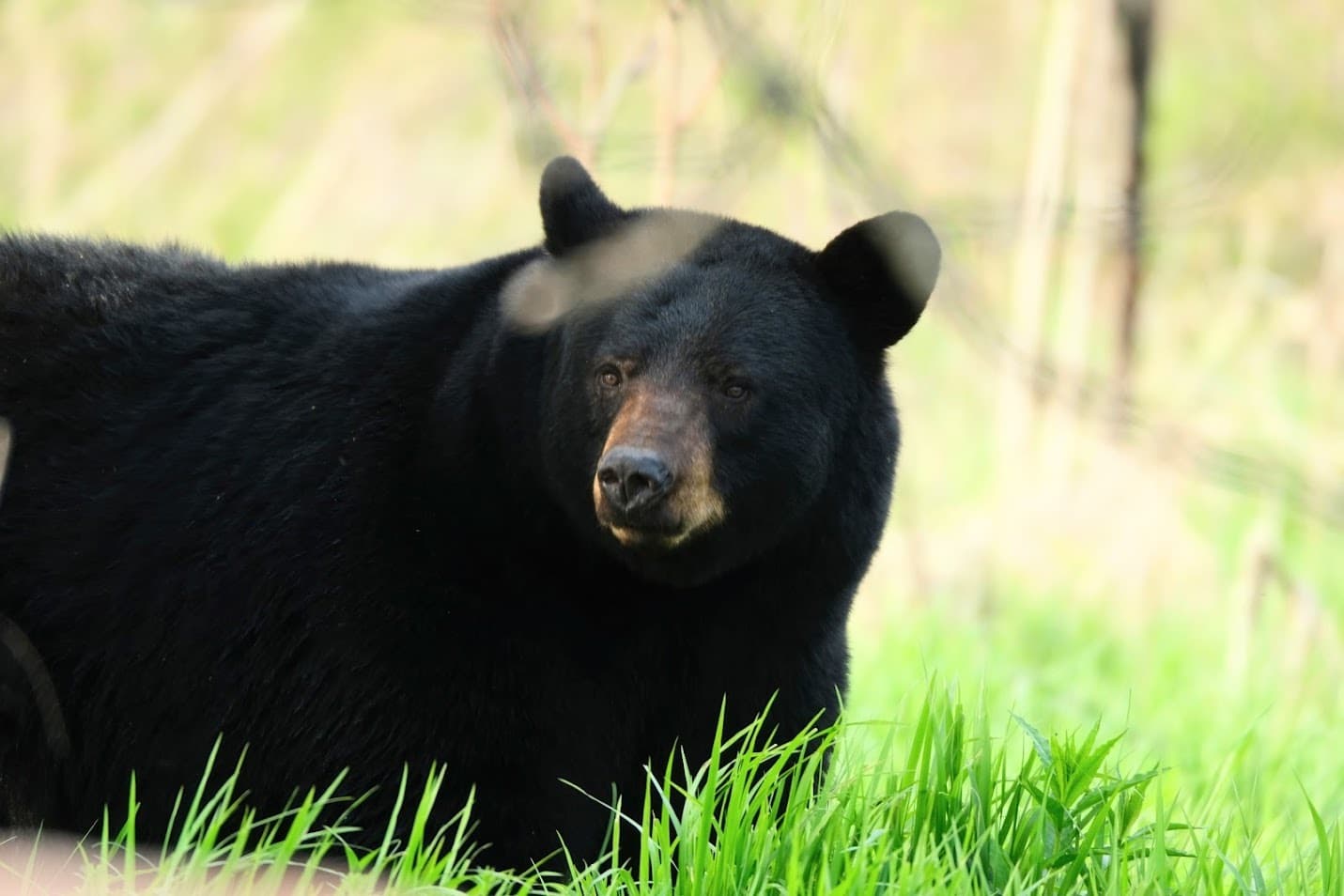
Sixty black bears have been euthanized in Sevier County so far in 2026 following human-bear conflicts, according to the Tennessee Wildlife Resources Agency. That's a striking number for an area where black bears are one of the most recognizable symbols of the Smokies, and it's also a significant increase from recent years.
TWRA reports 61 bears have been euthanized across East Tennessee this year, with 60 of those in Sevier County and one in Blount County. In comparison, TWRA euthanized 23 bears in 2025 and 32 in 2024.
But the story is more complicated than simply asking why wildlife officials are killing more bears. Understanding what's happening means looking at why bears and people are coming into conflict in the first place, and what visitors, residents, rental properties, and businesses can do to prevent it.
Why Are So Many Bears Being Euthanized?
There isn't one single explanation for the increase. TWRA has pointed to several factors that can affect human-bear conflicts from year to year, including natural food availability, weather, bear reproduction, young bears dispersing into new territory, tourism, development, and the number of people living alongside bear habitat.
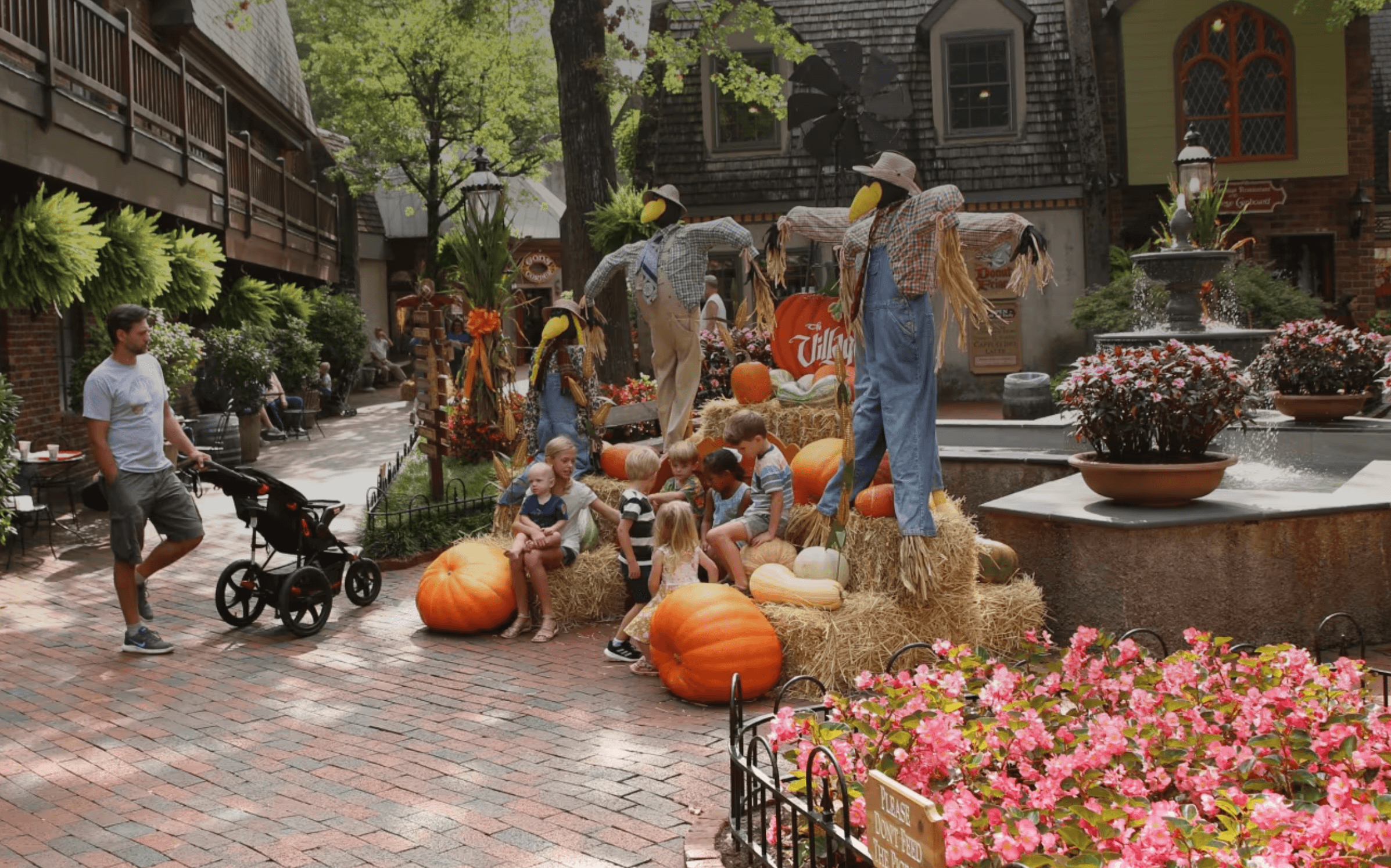
Sevier County presents an especially difficult combination. Gatlinburg, Pigeon Forge, Sevierville, and the surrounding communities welcome millions of visitors while sitting directly beside black bear habitat.
But there's another factor wildlife officials repeatedly emphasize: food. According to TWRA, approximately 80% of human-bear conflicts in Tennessee involve unsecured garbage or access to attractants such as birdseed, pet food, and grills.
That matters because a bear finding an easy meal isn't always a harmless encounter.
What Happens When Bears Learn That People Mean Food?
Black bears have an extraordinary sense of smell and are naturally opportunistic when looking for food. A trash bag outside a cabin, food left in a vehicle, an unsecured dumpster, birdseed, pet food, or scraps left around a grill can all attract a bear.
The problem becomes much more serious when that behavior is rewarded. Great Smoky Mountains National Park warns that bears that gain access to human food can begin to lose their natural fear of people. As they become food-conditioned, they may increasingly approach people, enter developed areas, damage property, or become aggressive while searching for another meal.
The National Park Service makes the connection clear: access to human food and garbage can ultimately lead to a bear's death.
Learn more about black bears and bear safety from Great Smoky Mountains National Park.
Bear Behavior Has Been Unusually Bold in 2026
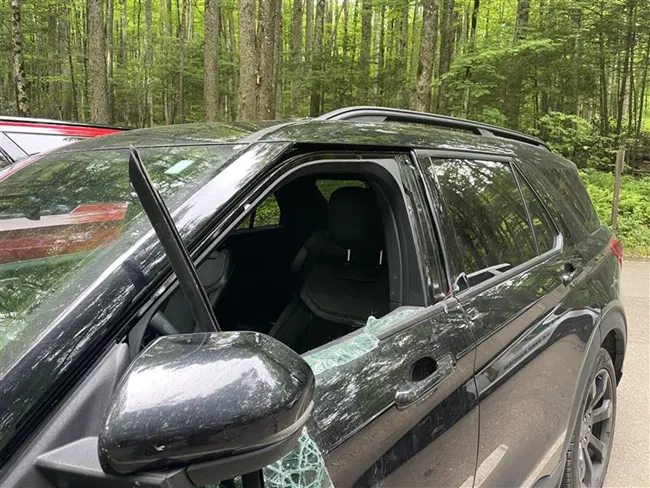
The number alone doesn't tell the entire story. TWRA officials say 2026 has also brought incidents involving unusually bold behavior, including bears breaking into vehicles and entering homes and other structures. In some cases, bears have entered buildings while people were inside.
Those situations create a public safety problem that wildlife officials can't simply ignore. It's also why it's important not to assume that every one of the 60 bears was euthanized because a tourist directly fed it.
Human-bear conflicts develop for different reasons, and conditions such as natural food availability and expanding development can also affect bear behavior. However, preventing bears from gaining access to human food remains one of the most important things people can control.
Why Can't Problem Bears Just Be Relocated?
It's one of the most understandable questions surrounding the issue: Why not capture the bear and move it somewhere else?
Unfortunately, relocation isn't necessarily the humane solution it sounds like. TWRA says research has shown that relocated conflict bears may continue the same behavior somewhere else, attempt to return to their original home range, or have poor survival rates after being moved.
A bear that has already learned to seek food from houses, vehicles, dumpsters, or people doesn't necessarily forget that behavior because it's transported somewhere else. That's why wildlife agencies put so much emphasis on preventing the behavior from developing in the first place.
Appalachian Bear Rescue Says More Needs to Be Done
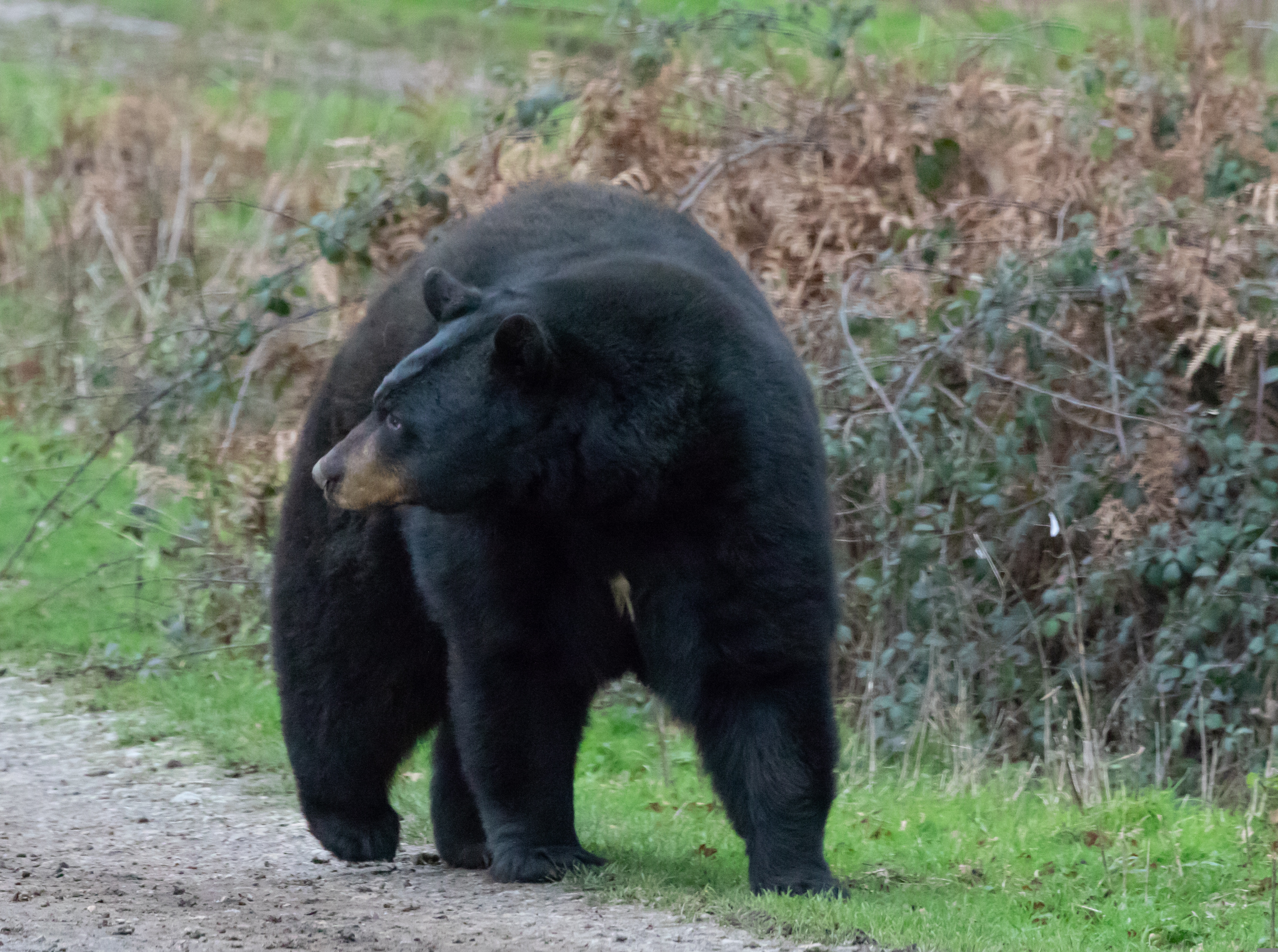
The numbers have also prompted a response from Townsend-based Appalachian Bear Rescue, a nonprofit that rehabilitates orphaned and injured black bear cubs with the goal of returning them to the wild.
Following news of the 60 euthanized bears, Executive Director Greg Grieco called the situation an increasingly complex problem involving bears gaining access to human food and garbage. He also argued that responsibility extends beyond individual visitors to the broader tourism community.
"If you use the resource, you must protect the resource."
Appalachian Bear Rescue called for stronger involvement from local government, businesses, attractions, lodging operators, and others who benefit from tourism in bear country.
Read the full statement from Appalachian Bear Rescue.
Gatlinburg Has Already Made Changes
This isn't a problem the area has completely ignored. Gatlinburg has invested in reducing bears' access to garbage, including installing bear-resistant dumpsters throughout the city. Those efforts are designed to remove one of the easiest food sources for bears entering developed areas.
But bear management doesn't stop with commercial dumpsters. Cabins and vacation rentals, restaurants, construction sites, residential properties, vehicles, grills, bird feeders, and even bags of trash temporarily left outside can create opportunities for bears to find food.
In an area where developed communities and bear habitat overlap so closely, removing those opportunities has to happen consistently.
What Can Visitors Do to Help?
You don't need to be a wildlife expert to make a difference. If you're staying in a cabin or vacation rental, don't leave bags of trash outside unless they're secured inside an approved bear-resistant container. Don't leave food, coolers, wrappers, or anything with a strong scent in an unlocked vehicle.
Never intentionally feed a bear, even for a photo or video. The National Park Service also requires visitors in Great Smoky Mountains National Park to remain at least 50 yards, or 150 feet, from black bears.
Food scraps matter, too. An apple core or leftover food tossed beside a trail may seem harmless because it's biodegradable, but to a bear it's still food left by people.
Fall Is an Important Time to Be Bear Aware
This conversation is particularly relevant right now. Great Smoky Mountains National Park issued another wildlife safety reminder in September as bear activity increases during the fall. Bears spend this part of the year feeding heavily on natural foods such as nuts and acorns as they prepare for winter.
That can create some incredible opportunities to see black bears in the wild, but those encounters need to happen from a safe distance and without changing the animal's natural behavior.
Read the National Park Service's fall wildlife safety guidance.
Seeing a Bear Should Still Be One of the Best Parts of Visiting the Smokies
None of this means visitors should be afraid of seeing a black bear. Great Smoky Mountains National Park is home to an estimated 1,900 black bears, and seeing one safely in its natural habitat can be an incredible part of a trip to the Smokies.
The goal isn't to eliminate encounters between people and bears. In a place where millions of people visit bear country every year, that's unrealistic. The goal is to keep those encounters from changing the bears.
A bear foraging for acorns along a mountainside is behaving like a wild bear. A bear breaking into a vehicle because it has learned that vehicles contain food is something very different.
Keeping that first bear from becoming the second one is where visitors, residents, businesses, and the tourism industry can make a difference.
Help Keep Smoky Mountain Bears Wild
Black bears are part of what makes the Smokies the Smokies. The fact that 60 bears have already been euthanized in Sevier County this year shouldn't make visitors afraid of bears. It should be a reminder of how much responsibility comes with visiting and living in bear country.
Secure the trash. Put away the food. Don't feed them. Give them space. And if you're lucky enough to see a bear behaving like a wild bear, enjoy the experience from a distance.
That's better for you, and much better for the bear.
Save. Explore. Play.
Plan your Smokies trip with SmokiesApp
Deals, events, trails, and local tips in one app. Join the waitlist for first access.
Frequently asked questions
How many bears have been euthanized in Sevier County in 2026?
According to the Tennessee Wildlife Resources Agency, 60 black bears have been euthanized in Sevier County so far in 2026 because of human-bear conflicts. One additional bear was euthanized in Blount County, bringing the East Tennessee total to 61.
Why are bears euthanized?
Wildlife officials may euthanize bears after serious human-bear conflicts when their behavior presents a public safety risk. Food-conditioned bears can lose their natural fear of people and may begin entering vehicles, buildings, campsites, or other developed areas looking for food.
Why aren't problem bears relocated?
TWRA says relocation often does not solve the problem. Relocated conflict bears may continue the same behavior, attempt to return to their original territory, or have low survival rates after relocation.
What causes most human-bear conflicts in Tennessee?
TWRA says approximately 80% of human-bear conflicts involve unsecured garbage or access to attractants such as birdseed, pet food, and grills.
How far should you stay from a black bear in the Smokies?
Great Smoky Mountains National Park requires visitors to remain at least 50 yards, or 150 feet, away from black bears. You should also never approach a bear closely enough to cause it to change its behavior.